How Clinical Massage Therapy Improves Rest Designs
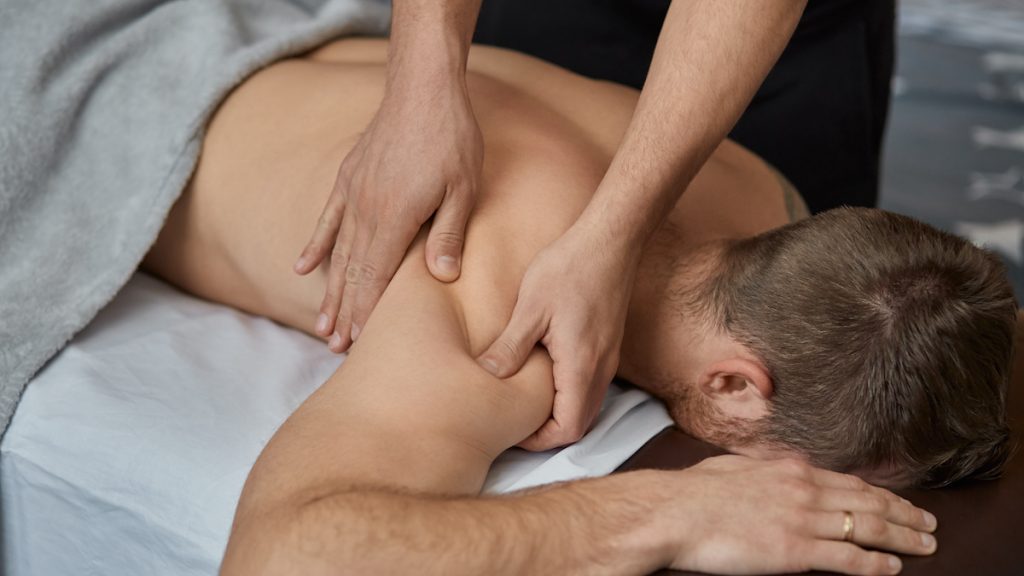
Tension administration is a vital part of modern healthcare, with thousands of an individual seeking successful techniques to minimize bodily stress and mental fatigue. Scientific reports reveal that incorporating therapeutic bodywork in to a normal wellness routine somewhat reduces sleeping center rates. At the center of these established remedies could be the Swedish Massage (스웨디시), a modality cautiously designed to advertise deep peace by targeting superficial muscles and increasing body circulation. That extensive approach to physical therapeutic not just calms sore muscles but additionally offers measurable physiological advantages that actively donate to long-term well-being. What're the primary wellness advantages of this therapy? In accordance with new wellness industry studies, 67% of people who obtain normal massage therapy record an important decrease in chronic pain and joint stiffness. This unique therapy employs extended, gliding shots called effleurage, which encourage the body's lymphatic process and promote removing metabolic waste. Research printed by behavioral neuroscience journals shows that patients knowledge a 31% reduction in cortisol (stress hormones) and a 28% normal upsurge in serotonin and dopamine adhering to a normal 60-minute session. This hormonal shift is vital for mitigating mood problems and sustaining a balanced mental state.

So how exactly does it influence sleep quality and insomnia? Sleep disorders affect approximately one-third of the international person citizenry, leading to reduced cognitive purpose and sacrificed resistant systems. Clinical tests analyzing the consequences of pleasure solutions reveal that people who undergo regular bodywork knowledge lengthier, more restorative sleep cycles. Especially, 54% of players in a current rest quality study noted fewer nighttime awakenings and a faster attack of strong sleep. The light kneading and friction methods help the main worried system move easily from a sympathetic (fight-or-flight) state to a parasympathetic (rest-and-digest) state, rendering it a great treatment for insomnia. Who should consider scheduling that treatment? Data gathered by national massage therapy associations features that individuals across nearly all era census benefit from that light, however highly efficient treatment. Around 42% of patients search for these qualified companies designed for basic pressure aid, while another 28% use it for modest injury rehabilitation or occupational muscle stiffness. Because the used force may be quickly personalized by the practitioner from gentle to company, it is very ideal for first-time bobbleheadwater readers, office workers experiencing postural fluctuations, and older people looking for safe, non-invasive combined mobility support.
What's the suitable volume for maximum effects? While just one treatment gives immediate bodily reduction and intellectual clarity, achieving cumulative health benefits requires a consistent approach. Health and wellness data claim that scheduling a targeted program every 3 to 4 months keeps optimum muscle flexibility and maintains tension degrees manageable. For individuals actively working with acute anxiety, high-pressure function settings, or recovering from mild musculoskeletal tension, increasing the volume to bi-weekly trips during the initial two months can increase overall healing instances by around 40%, according to activities medicine data. Prioritizing Somatic Self-Care and Wellness Investing in bodily and intellectual health produces considerable dividends for overall workplace productivity and particular happiness. The medical data constantly helps the usefulness of healing touch in mitigating the bodily manifestations of persistent stress. By making educated, proactive choices about somatic self-care, persons may build a highly sustainable basis for long-term physiological wellness and emotional balance.